Wednesday, December 2, 2020

How To Qualify for a Home Loan

New FHA loans are only available for primary residence occupancy. Whether you are shopping for a car or have a last-minute expense, we can match you to loan offers that meet your needs and budget. If you're' considering buying your first home, there are a number of FHA Loan and other programs that can assist you with your purchase. Household income is normally defined as all income received by household members who will be living in the home, even if they are not on the mortgage. FHA.com is a privately owned website, is not a government agency, and does not make loans.

To carry two mortgages, you must be able to afford the payments on both. When you apply for the second mortgage, you will give the bank two years of W-2 forms and federal tax returns along with one month of pay stubs. While you can apply for multiple FHA loans in your lifetime, you can usually only have one at a time. You are an FHA loan second-time homebuyer if you currently own a home with an FHA loan and want to buy another house using an FHA loan. Just like first-time homebuyers, borrowers must meet second home mortgage requirements to qualify for an FHA loan.

What Are the FHA's Minimum Property Standards?

Buyers should select at least two FHA-approved lenders for comparison reasons. The FHA maintains a searchable list of FHA-approved lenders on its website and a list of lenders whose licenses were revoked. The LIFT Homebuyers Act is a bill that uses FHA mortgages to help renters buy their first home. The FHA Streamline Refinance is the most straightforward, fastest mortgage refinance available to FHA-backed homeowners.

how does a home qualify for a fha loan

We do not offer or have any affiliation with loan modification, foreclosure prevention, payday loan, or short term loan services. Neither FHA.com nor its advertisers charge a fee or require anything other than a submission of qualifying information for comparison shopping ads. We encourage users to contact their lawyers, credit counselors, lenders, and housing counselors. That does not mean your lender won’t have additional standards, but that’s one reason why it’s good to shop around for a lender; find one who can work with your financial needs and goals. FHA-backed homeowners get access to the FHA Streamline Refinance – the fastest, easiest way to lower your mortgage rate.

Looking at Today’s Mortgage Refinance Rates

By default 30-yr fixed-rate loans are displayed in the table below. Filters enable you to change the loan amount, duration, or loan type. While you can get a home loan with only 3% down, most mortgages require a down payment of 5% or more. The more you have to contribute to your down payment, the more affordable your home loan will be in the long run.

Yes, FHA mortgages are assumable, which means that your home’s future buyer can purchase your mortgage from you along with your home too. Assumable mortgages make your home more affordable to others after mortgage rates rise. You can sell your 4% mortgage rate in a 10% mortgage rate market. Nearly 600,000 first-time buyers get FHA-approved each year.

Want a Printable Report or to Email Your Results?

However, just because you can afford to two mortgages, that does not always mean you should. Before making this big decision, be sure to talk to a mortgage specialist. Yes, if you have enough equity in your current home, you can use the money from a home equity loan to make a down payment on another home—or even buy another home outright without a mortgage. But while you don't need to be a first-time homebuyer to qualify, generally speaking, you can only have one FHA loan at a time. This prevents potential borrowers from using the loan program to buy investment properties. With the FHA, you're generally required to have a DTI of 43% or less, though it varies based on credit score.

how does a home qualify for a fha loan

However, you can use an FHA Title 1 Home Improvement Loan concurrently with another type of mortgage to buy and renovate at the same time. While you can typically only have one FHA loan out at a time, there's no limit to how many times you can utilize FHA loans in your lifetime. In 1934, Congress established the Federal Housing Administration to help stimulate the flagging housing market and overall declining American economy during the Great Depression. Mortgage terms were nearly impossible for a country struggling with deep poverty. Loans were capped at 50% of a property’s value, and the repayment schedules were punishingly short.

PITI annual income percentage

You must bring all funds agreed upon, in the form of a cashier’s check or via electronic wire. Before you can close on the property, you need to secure homeowner’s insurance, which insures the property in the case of damage. Getting an FHA loan can be easy when you understand how the process works. Though it can seem difficult to understand all the details, our Home Lending Advisors are here to guide you through each step.

This protects the lender in case you are unable to repay your loan. Our affordable lending options, including FHA loans and VA loans, help make homeownership possible. Check out our affordability calculator, and look for homebuyer grants in your area. Visit our mortgage education center for helpful tips and information.

HOW MUCH HOME CAN YOU AFFORD?

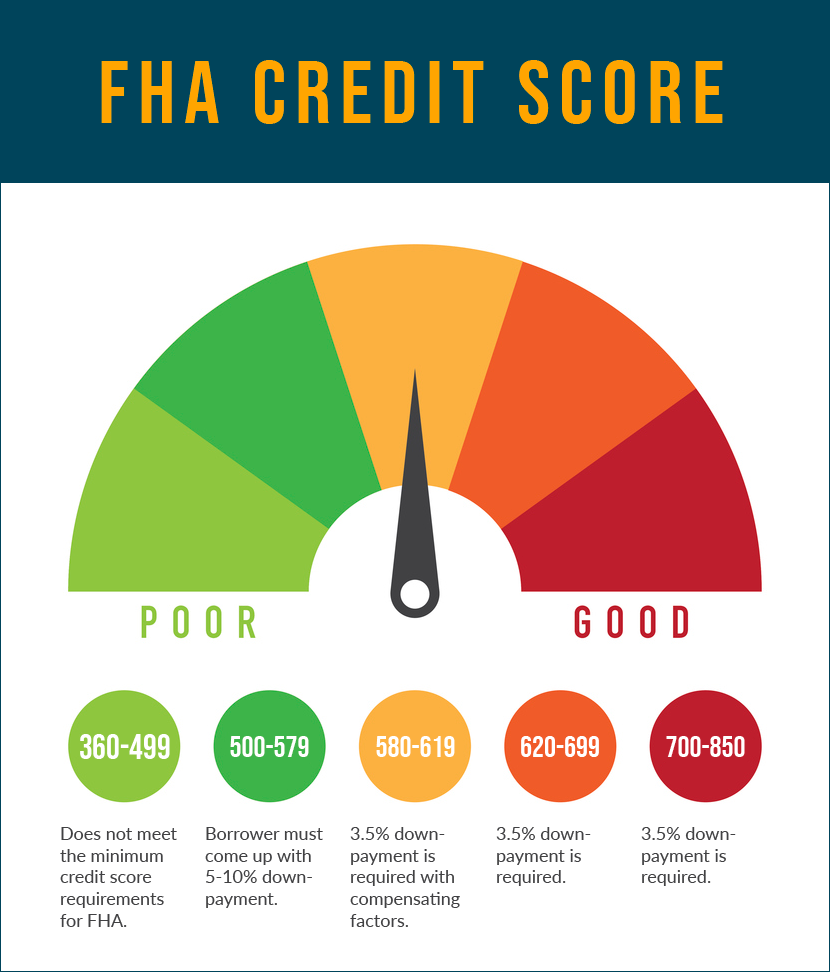
In most cases, a down payment of less than 20% of the purchase price will require you to pay private mortgage insurance. Keep in mind that credit requirements for FHA loans vary from lender to lender. While many lenders allow a credit score as low as 580, some might set their minimum at 600 or even higher.

how does a home qualify for a fha loan

If you’re habitually late with payments or have records of delinquencies, it will reflect a poor credit score. Likewise, if you pay your bills on time and keep your debts within a manageable amount, your credit score will be higher. It’s a sign that you’re a diligent consumer that does not take on too much debt.

The cost can vary depending on the type of property and where it is located. Many homebuyers will simply have to keep looking until they find a better property that will meet FHA standards. This reality can be frustrating, especially for buyers with limited funds and limited properties in their price range.

how does a home qualify for a fha loan

There are three popular reasons you have been denied for an FHA loan–bad credit, high debt-to-income ratio, and overall insufficient money to cover the down payment and closing costs. Federal Housing Administration loans have requirements, including minimum property standards, which help protect lenders and buyers. FHA loans have their advantages, but there's a trade-off in the form of the mortgage insurance. Homebuyers who take out an FHA loan must pay an upfront premium that's usually 1.75% of the base loan amount. There's also an ongoing annual mortgage insurance premium that usually costs 0.45% to 1.05% of the loan amount.

How Do I Qualify for an FHA Home Improvement Loan?

It's best to turn in your FHA loan application when you have a solid 12 months of on-time payments for all financial obligations. If you don't have an established credit history or don't use traditional credit, your lender must obtain a non-traditional merged credit report or develop a credit history from other means. If you are prequalified, you will receive a letter you can show to sellers when you make an offer on a house. Some homes are zoned residential-only, while others are zoned for mixed use. How would you like to have a house built from the ground up instead of searching for just the right property as an existing construction property? This is possible, even for first-time home buyers, with an FHA One-Time Close construction loan.

While requirements vary by lender and loan type, there are some overarching criteria that lenders look for regardless of those factors. Regardless of credit score, you should find at least three lenders you like the look of and apply with them. The majority of lenders are FHA-approved, so you’re free to choose a local lender, big bank, online mortgage lender, or credit union. Since mortgage terms and rates can vary from one lender to the next, you should contact multiple lenders to compare offers. Although FHA mortgages are insured by the FHA, this agency doesn’t actually lend money.

About Chase

Or you can work one-on-one with a loan officer for extra guidance. Yes, FHA has financing for mobile homes and factory-built housing. We have two loan products - one for those who own the land that the home is on and another for mobile homes that are - or will be - located in mobile home parks. If you can answer "yes" to all of these questions, then the FHA Reverse Mortgage might be right for you.

how does a home qualify for a fha loan

A 45% debt ratio is about the highest ratio you can have and still qualify for a mortgage. A gift of equity is the sale of a home below the current market value. The buyer is usually someone with whom the seller has a familial relationship. The home will still need to meet basic structural and energy efficiency standards, but the appraiser will look at the home’s suitability after the repairs have been completed. Typically borrowers must be three years out of foreclosure and have re-established good credit.

Monthly car payment(s)

And from applying for a loan to managing your mortgage, Chase MyHome has you covered. FHA-backed loans allow for financial gifts from family, employers and charitable organizations to help cover closing costs. FHA loan interest rates frequently change, so don’t let time elapse between comparisons. Buyers should expect to verify income, assets, and employment with their selected lenders.

how does a home qualify for a fha loan

There are many ways a lender can assess your credit history, and it includes more than just looking at your credit card activity. Any type of payment such as utility bills, rents, student loans, etc. should all reflect a general pattern of reliability. FHA Loan applicants must have a minimum FICO® score of 580 to qualify for the low down payment advantage which is currently at 3.5%.

What is the FHA?

It’s also a plus if you can show a large amount of cash reserves and pay a high down payment. Let’s say your total monthly debt payments are $3,000 and your gross monthly income is $6,000. While you may be able to find a home loan with a DTI ratio as high as 50%, a lower DTI ratio is preferred when applying for a mortgage.

You can't be delinquent or in default on another federally guaranteed loan. To be considered a first-time buyer, you'll need to have never owned a property. It doesn't matter if the property was shared ownership or you owned it jointly with someone else. A home inspection is an examination of the condition and safety of a real estate property. If you think you've been discriminated against based on race, religion, sex, marital status, use of public assistance, national origin, disability, or age, there are steps you can take.

A governmental agency or public entity with a program providing homeownership assistance to low- or moderate-income families or first-time homebuyers. Your credit score will determine whether you qualify for a loan and will also determine your down payment amount. Because FHA loans are backed by a government agency, they're usually easier to qualify for than conventional loans.

If you see a lender’s loan quote that you are interested, you can contact the lender directly. The property must meet certain minimum standards at appraisal. If the home you are purchasing does not meet these standards and a seller will not agree to the required repairs, your only option is to pay for the required repairs at closing . Borrowers must have a minimum credit score of 580 for maximum financing with a minimum down payment of 3.5 percent. Offer pros and cons are determined by our editorial team, based on independent research.

Requirements to get approved for an FHA loan

The lender must include any compensating factors used for loan approval. Conventional mortgages often require hefty down payments and closing costs, and not everyone has the cash reserves to cover these expenses upfront. FHA loans provide a potential solution for homebuyers without much savings set aside, especially first-time homebuyers who don't have equity from a previous home sale.

If your offer was subject to a satisfactory home inspection, you can ask the seller to correct these issues before closing. After finding a lender, the next step is to submit a loan application. You should also think about how you want to work with your lender. Look for a local lender that focuses on in-person and over-the-phone lending. So the first thing you need to do is choose a lender you want to apply with. You can include the costs of energy improvements into an FHA Energy-Efficient Mortgage.

Thursday, August 13, 2020

Famous Can I Cancel My Carnival Cruise Insurance Ideas

The big question about your next cruise can you get travel insurance
The big question about your next cruise can you get travel insurance from cruisepassenger.com.au

Are you considering cancelling your Carnival cruise insurance? If so, you're not alone. Many people find themselves in situations where they need to cancel their insurance for various reasons. Whether it's due to changing plans, financial constraints, or simply not needing the coverage anymore, cancelling your Carnival cruise insurance is a common concern. In this article, we'll explore the process of cancelling your Carnival cruise insurance and provide some tips on how to navigate this situation.

Pain Points of Cancelling Carnival Cruise Insurance

When it comes to cancelling your Carnival cruise insurance, there are a few pain points to consider. One of the main concerns is the financial loss that may occur if you cancel your insurance. Depending on the terms and conditions of your policy, you may not be eligible for a refund or may only receive a partial refund. Additionally, cancelling your insurance means that you won't have coverage for any unexpected events or emergencies that may arise during your cruise. This lack of protection can leave you feeling vulnerable and unsure of what to do if something goes wrong.

Can I Cancel My Carnival Cruise Insurance?

The answer to the question "Can I cancel my Carnival cruise insurance?" is yes, you can. However, the process and eligibility for cancellation may vary depending on the specific insurance policy you purchased. It's important to review the terms and conditions of your policy or contact your insurance provider directly to understand the cancellation process. Some policies may allow for a full or partial refund if cancelled within a certain timeframe, while others may not offer any refunds at all. It's crucial to gather all the necessary information and make an informed decision before proceeding with the cancellation.

Summary of Cancelling Carnival Cruise Insurance

In summary, cancelling your Carnival cruise insurance is possible, but the process and refund eligibility may vary. It's important to review the terms and conditions of your policy and contact your insurance provider directly for more information. Consider the potential financial loss and lack of coverage if you cancel your insurance. Now, let's dive deeper into the topic of cancelling Carnival cruise insurance and explore its target audience, personal experiences, the concept itself, history and myth, hidden secrets, recommendations, detailed explanations, tips, fun facts, what if scenarios, listicles, and a question and answer section.

Target Audience and Personal Experience

The target audience for this article is anyone who has purchased Carnival cruise insurance and is considering cancelling it. Whether it's due to a change in plans, financial constraints, or simply not needing the coverage anymore, this article aims to provide guidance and information on the cancellation process. As a frequent cruiser myself, I've had the experience of considering cancelling my Carnival cruise insurance. I understand the concerns and uncertainties that come with this decision, and I hope to share my insights and knowledge to help others in similar situations.

When I first booked my Carnival cruise, I was excited and eager to set sail. However, as the departure date approached, circumstances changed, and I found myself contemplating cancelling my insurance. The financial aspect was a significant concern for me, as I didn't want to lose a substantial amount of money if I cancelled. Additionally, I wondered if I would be left vulnerable without coverage for any unexpected events during the cruise. These thoughts and uncertainties weighed heavily on my mind as I navigated the process of cancelling my Carnival cruise insurance.

After carefully reviewing the terms and conditions of my insurance policy and contacting the insurance provider, I was able to cancel my insurance and receive a partial refund. Although I still had some financial loss, I felt relieved knowing that I had made the best decision for my situation. During the cruise, I didn't encounter any major issues or emergencies that required insurance coverage, which further validated my decision. Overall, my personal experience with cancelling Carnival cruise insurance taught me the importance of thoroughly understanding the policy and considering all factors before making a decision.

What is Cancelling Carnival Cruise Insurance?

Cancelling Carnival cruise insurance refers to the process of terminating the insurance coverage that you purchased for your Carnival cruise. This insurance typically provides protection for various aspects of your trip, including trip cancellation, trip interruption, medical expenses, and emergency evacuation. By cancelling the insurance, you are essentially opting out of this coverage and forfeiting any benefits or protections that it provides. It's essential to understand the terms and conditions of your policy and the potential consequences of cancelling before proceeding with this decision.

When considering cancelling your Carnival cruise insurance, it's crucial to evaluate your specific circumstances and needs. Ask yourself if the coverage is still necessary and if the potential financial loss outweighs the benefits of the insurance. Additionally, consider any potential risks or emergencies that may arise during the cruise and how you would handle them without insurance coverage. By thoroughly assessing your situation and weighing the pros and cons, you can make an informed decision about cancelling your Carnival cruise insurance.

History and Myth of Cancelling Carnival Cruise Insurance

The history of cancelling Carnival cruise insurance dates back to the introduction of cruise insurance itself. As cruises became increasingly popular in the travel industry, insurance companies recognized the need for specialized coverage tailored to the unique risks and challenges of cruising. Carnival cruise insurance was developed to provide peace of mind and financial protection for travelers embarking on Carnival cruises.

Throughout the years, myths and misconceptions surrounding cancelling Carnival cruise insurance have emerged. One common myth is that cancelling the insurance will result in a full refund of the premium paid. However, this is not always the case, as policies may have specific terms and conditions regarding cancellations and refunds. It's important to read and understand the policy thoroughly to avoid any misunderstandings or false expectations.

The Hidden Secret of Cancelling Carnival Cruise Insurance

The hidden secret of cancelling Carnival cruise insurance lies in understanding the potential consequences and implications of this decision. While cancelling the insurance may provide immediate financial relief, it also means forfeiting the protection and benefits that the coverage offers. In the event of a trip cancellation, trip interruption, or medical emergency, not having insurance can result in significant out-of-pocket expenses and added stress. It's crucial to carefully consider the potential risks and weigh them against the financial implications before deciding to cancel your Carnival cruise insurance.

Recommendation for Cancelling Carnival Cruise Insurance

When it comes to cancelling Carnival cruise insurance, it's essential to follow these recommendations:

  1. Review the terms and conditions of your policy to understand the cancellation process and potential refunds.
  2. Contact your insurance provider directly to discuss your specific situation and get more information about cancelling.
  3. Weigh the potential financial loss against the benefits and protections provided by the insurance.
  4. Consider any potential risks or emergencies that may arise during your cruise and how you would handle them without insurance coverage.
  5. Make an informed decision based on your evaluation and understanding of the policy.
  6. If you decide to cancel, follow the necessary steps outlined by your insurance provider to ensure a smooth cancellation process.

By following these recommendations, you can navigate the process of cancelling your Carnival cruise insurance with confidence and make the best decision for your situation.

Exploring the Topic in More Detail

Now, let's explore the topic of cancelling Carnival cruise insurance in more detail. It's important to understand the different aspects and considerations related to this decision.

One key factor to consider is the timeframe for cancelling your insurance. Some policies may allow for a full refund if cancelled within a certain number of days before the departure date, while others may only offer a partial refund or no refund at all. It's crucial to review the terms and conditions of your policy to determine the cancellation deadline and any potential penalties or fees.

Another aspect to consider is the potential financial loss. Cancelling your insurance may result in the loss of the premium paid, depending on the refund policy of your specific policy. It's important to assess the potential financial impact and weigh it against the benefits of the insurance coverage. Additionally, consider the potential risks and emergencies that may occur during your cruise and how you would handle them without insurance. This evaluation can help you make an informed decision about whether or not to cancel your Carnival cruise insurance.

Furthermore, it's essential to understand the process of cancelling your insurance. Contact your insurance provider directly to initiate the cancellation and follow their instructions and guidelines. Be prepared to provide any necessary documentation or information to support your cancellation request. By following the proper procedures, you can ensure a smooth and hassle-free cancellation process.

In conclusion, cancelling your Carnival cruise insurance is a decision that should be made after careful consideration and evaluation of your specific circumstances. Understand the terms and conditions of your policy, weigh the potential financial loss against the benefits of the coverage, and consider any potential risks or emergencies that may arise during your cruise. By following these guidelines and making an informed decision, you can navigate the process of cancelling your Carnival cruise insurance with confidence and peace of mind.

Tips for Cancelling Carnival Cruise Insurance

When it comes to cancelling your Carnival cruise insurance, here are some tips to keep in mind:

  1. Review the terms and conditions of your policy thoroughly before making a decision.
  2. Contact your insurance provider directly to discuss your options and understand the cancellation process.
  3. Weigh the potential financial loss against the benefits and protections provided by the insurance.
  4. Consider any potential risks or emergencies that may arise during your cruise and how you would handle them without insurance coverage.
  5. Document all communication and keep a record of any documentation or information provided during the cancellation process.
  6. Follow the necessary steps outlined by your insurance provider to ensure a

Wednesday, August 12, 2020

List Of How Do I Turn Off Adaptive Cruise Control Ideas

How to turn off adaptive cruise control on a 2022/2023 Honda civic
How to turn off adaptive cruise control on a 2022/2023 Honda civic from www.youtube.com

Are you tired of constantly dealing with your car's adaptive cruise control? Do you find it difficult to turn off and wish there was an easier way? Well, you're in luck! In this article, we will explore how to turn off adaptive cruise control and provide you with some valuable tips and tricks. So, if you're ready to take control of your car and enjoy a more relaxed driving experience, keep reading!

The Pain Points of Adaptive Cruise Control

Adaptive cruise control is a popular feature in modern cars that allows for a more convenient and comfortable driving experience. However, many drivers find it frustrating when they want to turn off this feature. It can be difficult to navigate through menus and settings to find the option to disable adaptive cruise control, leading to a lot of time wasted and unnecessary stress. Additionally, some drivers may be unaware of how to turn off this feature altogether, causing them to rely on it even when they don't want to.

How to Turn Off Adaptive Cruise Control

If you're wondering how to turn off adaptive cruise control, the process may vary depending on your car's make and model. However, the general steps are relatively similar across different vehicles. First, locate the controls for your cruise control system, which are typically located on the steering wheel or dashboard. Look for a button or switch that is specifically labeled "Cruise Control" or "Adaptive Cruise Control." Press or toggle the button to disable the feature. Some vehicles may require you to access the settings menu on the infotainment system to turn off adaptive cruise control.

Summary of How to Turn Off Adaptive Cruise Control

To summarize, turning off adaptive cruise control involves finding the controls for your cruise control system and pressing the appropriate button or accessing the settings menu on your car's infotainment system. By following these steps, you can easily disable this feature and regain control of your driving experience.

What Is Adaptive Cruise Control?

Adaptive cruise control is an advanced driver assistance system that automatically adjusts the speed of your vehicle to maintain a safe distance from the car ahead. It uses sensors and radar technology to detect the distance and speed of other vehicles on the road. This feature is particularly useful in traffic or on long highway drives, as it can reduce driver fatigue and improve safety. However, there may be instances where you prefer to turn off adaptive cruise control, such as when driving on winding roads or in heavy traffic where frequent braking is required.

The History and Myth of Adaptive Cruise Control

Adaptive cruise control has come a long way since its inception. It was first introduced in the 1990s and has since evolved to include more advanced features and technologies. However, there are some myths surrounding this technology, such as the belief that it completely eliminates the need for driver input. In reality, adaptive cruise control is designed to assist the driver, not replace them. It is important to remain attentive and ready to take control of the vehicle at any time, even with this feature enabled.

The Hidden Secret of Adaptive Cruise Control

While adaptive cruise control offers convenience and safety benefits, there is a hidden secret that many drivers may not be aware of. Some vehicles with adaptive cruise control systems also include a feature called "Dynamic Radar Cruise Control." This feature allows the driver to set a specific speed and follow distance, providing even more control over the driving experience. By utilizing this hidden secret, drivers can customize their adaptive cruise control settings to suit their preferences and driving style.

Recommendation for Adaptive Cruise Control

If you're unsure whether or not to use adaptive cruise control, we recommend giving it a try and seeing if it enhances your driving experience. Many drivers find this feature to be incredibly helpful, especially during long trips or in heavy traffic situations. However, it is important to familiarize yourself with the controls and settings of your specific vehicle to ensure you can easily turn off adaptive cruise control when needed. Remember, it's always important to stay alert and engaged while driving, regardless of whether or not you have this feature enabled.

Exploring Adaptive Cruise Control and its Benefits

Adaptive cruise control offers several benefits, including increased safety, reduced driver fatigue, and improved fuel efficiency. By automatically adjusting your vehicle's speed to maintain a safe distance from the car ahead, you can minimize the risk of rear-end collisions and other accidents. This feature also allows you to relax and enjoy the drive, as it takes care of the speed adjustments for you. Additionally, adaptive cruise control can help improve fuel efficiency by maintaining a consistent speed and reducing unnecessary acceleration and braking.

Tips for Adaptive Cruise Control

If you're using adaptive cruise control for the first time or want to optimize your experience, here are some helpful tips:

1. Familiarize yourself with the controls and settings of your specific vehicle to easily turn off adaptive cruise control when needed.

2. Pay attention to the road and surrounding traffic, even with adaptive cruise control enabled. It's essential to remain alert and ready to take control of the vehicle if necessary.

3. Adjust the follow distance setting to a comfortable distance that suits your driving style and preferences.

4. Practice using adaptive cruise control in different driving conditions to become familiar with its capabilities and limitations.

Exploring the Future of Adaptive Cruise Control

As technology continues to evolve, so does the future of adaptive cruise control. Some car manufacturers are already working on advanced systems that incorporate artificial intelligence and machine learning algorithms to improve the capabilities of this feature. These advancements aim to make adaptive cruise control even more intuitive and responsive, further enhancing the driving experience and safety benefits.

Conclusion of Adaptive Cruise Control

In conclusion, turning off adaptive cruise control can be a simple process once you understand the controls and settings of your specific vehicle. While this feature offers convenience and safety benefits, it's important to remain attentive and ready to take control of the vehicle when necessary. By following the tips and recommendations provided in this article, you can make the most of adaptive cruise control and enjoy a more relaxed and enjoyable driving experience.

Question and Answer

Q: Can adaptive cruise control be turned off?

A: Yes, adaptive cruise control can be turned off by locating the controls for your cruise control system and pressing the appropriate button or accessing the settings menu on your car's infotainment system.

Q: Why would I want to turn off adaptive cruise control?

A: There may be instances where you prefer to turn off adaptive cruise control, such as when driving on winding roads or in heavy traffic where frequent braking is required.

Q: Does adaptive cruise control replace the need for driver input?

A: No, adaptive cruise control is designed to assist the driver, not replace them. It is important to remain attentive and ready to take control of the vehicle at any time, even with this feature enabled.

Q: What are the benefits of using adaptive cruise control?

A: Adaptive cruise control offers benefits such as increased safety, reduced driver fatigue, and improved fuel efficiency by automatically adjusting your vehicle's speed to maintain a safe distance from the car ahead.

Tuesday, August 11, 2020

Famous Are Cruises Safe With Covid 2022 2023

Cruises and COVID19 What is the future of aroundtheworld cruises?
Cruises and COVID19 What is the future of aroundtheworld cruises? from www.usatoday.com

Are cruises safe with COVID-19 in 2022? This is a question that many people have been asking as they consider planning their next vacation. With the ongoing pandemic and the risks associated with travel, it's important to understand the current situation and take necessary precautions.

The pain points of considering a cruise during the COVID-19 pandemic are understandable. The close quarters, shared facilities, and large number of people on board can increase the risk of virus transmission. Additionally, the possibility of outbreaks on previous cruises has raised concerns about the safety of these trips.

In response to the challenges posed by COVID-19, cruise lines and industry organizations have implemented a range of measures to ensure the safety of passengers and crew. These include enhanced cleaning protocols, mandatory vaccination requirements, on-board testing, and reduced capacity to allow for social distancing.

In conclusion, while there are risks associated with cruising during the COVID-19 pandemic, the industry has taken significant steps to mitigate these risks and ensure the safety of passengers and crew. It is important for individuals to assess their own risk tolerance and follow recommended guidelines when considering a cruise.

Are Cruises Safe with COVID-19 in 2022: Personal Experience

During my recent cruise in 2022, I was initially concerned about the safety measures in place. However, I was pleasantly surprised to see how seriously the cruise line took the situation. Before boarding, all passengers were required to show proof of vaccination and undergo a rapid antigen test. The crew members were also fully vaccinated and regularly tested.

Onboard, the ship implemented enhanced cleaning protocols and hand sanitizer stations were readily available throughout the ship. The capacity was reduced, allowing for easy social distancing in public areas and restaurants. The crew members were diligent in enforcing mask-wearing in indoor public spaces.

One of the highlights of the cruise was the organized shore excursions. These were carefully planned to ensure a safe and enjoyable experience. The tour groups were small, and the guides ensured that everyone followed the necessary safety precautions.

Overall, my experience on the cruise was positive and I felt safe throughout the trip. The cruise line's commitment to safety measures and the cooperation of the passengers made for a worry-free vacation.

What is Are Cruises Safe with COVID-19 in 2022?

Are cruises safe with COVID-19 in 2022 refers to the question of whether it is safe to embark on a cruise vacation during the ongoing COVID-19 pandemic. This topic has gained significant attention due to the potential risks associated with traveling in close quarters and shared facilities.

While there is no definitive answer to this question, it is important to consider the various safety measures that cruise lines and industry organizations have implemented to ensure the well-being of passengers and crew. These measures include mandatory vaccination requirements, enhanced cleaning protocols, on-board testing, and reduced capacity to allow for social distancing.

It is also crucial to stay informed about the current situation and adhere to recommended guidelines from health authorities. This includes wearing masks in indoor public spaces, practicing good hand hygiene, and following any specific protocols set by the cruise line.

History and Myth of Are Cruises Safe with COVID-19 in 2022

The history of cruises during the COVID-19 pandemic is marked by initial challenges and subsequent adaptations. In the early stages of the pandemic, several high-profile outbreaks occurred on cruise ships, leading to widespread concerns about the safety of these vacations.

However, the industry has since made significant changes to address these concerns. Cruise lines have worked closely with health authorities and implemented strict protocols to prevent the spread of the virus. These measures include pre-cruise testing, mandatory vaccinations, enhanced cleaning procedures, and reduced capacity.

Despite the efforts made by the industry, there are still myths and misconceptions surrounding the safety of cruises during the pandemic. Some people may believe that the close quarters and shared facilities on cruise ships make them inherently unsafe. However, the industry's commitment to safety measures and the cooperation of passengers have significantly reduced the risks associated with cruising during COVID-19.

Hidden Secrets of Are Cruises Safe with COVID-19 in 2022

One of the hidden secrets of cruising during COVID-19 is the level of planning and coordination behind the scenes. Cruise lines work closely with health authorities and follow strict protocols to ensure the safety of passengers and crew.

For example, before boarding the ship, passengers are required to provide proof of vaccination and undergo testing. This helps to create a vaccinated and low-risk environment on board. The crew members are also fully vaccinated and regularly tested to minimize the risk of transmission.

Additionally, the reduced capacity on board allows for easy social distancing and a more relaxed experience. Passengers can enjoy the amenities and activities on the ship with peace of mind, knowing that the necessary precautions are in place.

Recommendations for Are Cruises Safe with COVID-19 in 2022

When considering a cruise during the COVID-19 pandemic, there are several recommendations to keep in mind:

  1. Ensure that you are fully vaccinated before embarking on a cruise.
  2. Stay informed about the current situation and follow any specific protocols set by the cruise line.
  3. Practice good hand hygiene and wear masks in indoor public spaces.
  4. Consider booking a cruise with a reduced capacity to allow for easy social distancing.

By following these recommendations, you can enjoy a safe and enjoyable cruise experience during the ongoing pandemic.

Are Cruises Safe with COVID-19 in 2022: Explained in Detail

When it comes to the safety of cruises during the COVID-19 pandemic, there are several factors to consider. First and foremost, cruise lines have implemented strict protocols to ensure the safety of passengers and crew.

These protocols include mandatory vaccination requirements for all passengers and crew members. This helps to create a vaccinated and low-risk environment on board. In addition, pre-cruise testing is conducted to identify any potential cases before boarding.

Onboard, enhanced cleaning procedures are in place to maintain a high level of cleanliness. Hand sanitizer stations are readily available throughout the ship, and common areas are regularly disinfected.

Reduced capacity is another important measure to ensure social distancing on board. By operating at a lower capacity, cruise lines can create a more spacious environment and reduce the risk of virus transmission.

It is also important for passengers to follow recommended guidelines, such as wearing masks in indoor public spaces and practicing good hand hygiene. By taking these precautions, individuals can further reduce the risk of contracting or spreading the virus.

Tips for Are Cruises Safe with COVID-19 in 2022

Here are some tips to keep in mind when considering a cruise during the COVID-19 pandemic:

  1. Research the cruise line's safety protocols and vaccination requirements before booking.
  2. Consider booking a cruise with a reduced capacity to allow for easier social distancing.
  3. Pack essential items such as masks, hand sanitizer, and disinfecting wipes.
  4. Follow recommended guidelines, such as wearing masks in indoor public spaces and practicing good hand hygiene.

By following these tips, you can make informed decisions and have a safe and enjoyable cruise experience.

What If Are Cruises Safe with COVID-19 in 2022?

If you are still unsure about whether cruises are safe with COVID-19 in 2022, it is important to assess your own risk tolerance. Consider your individual health status, vaccination status, and comfort level with traveling during the pandemic.

Additionally, stay informed about the current situation and follow recommended guidelines from health authorities. These guidelines may vary depending on the destination and cruise line, so it is important to stay up to date with the latest information.

Ultimately, the decision to embark on a cruise during the COVID-19 pandemic is a personal one. By considering the available information and taking necessary precautions, you can make an informed decision that aligns with your own comfort and safety.

Listicle of Are Cruises Safe with COVID-19 in 2022

Here are five key points to know about the safety of cruises during the COVID-19 pandemic in 2022:

  1. Cruise lines have implemented strict protocols to ensure the safety of passengers and crew, including mandatory vaccination requirements and enhanced cleaning procedures.
  2. Reduced capacity on board allows for easier social distancing and a more relaxed experience.
  3. Passengers are required to provide proof of vaccination and undergo testing before boarding the ship.
  4. Good hand hygiene and mask-wearing in indoor public spaces are recommended to further reduce the risk of virus transmission.
  5. By following recommended guidelines and staying informed, individuals can enjoy a safe and enjoyable cruise experience during the ongoing pandemic.

Question and Answer: Are Cruises Safe with COVID-19 in 2022

Q: Are COVID-19 vaccines required for passengers on cruises in 2022?

A: Yes, many cruise lines have implemented mandatory vaccination requirements for all passengers and crew members.

Q: How are cruise lines ensuring the cleanliness and sanitation on board?

A: Cruise lines have enhanced their cleaning procedures, regularly disinfecting common areas and providing hand sanitizer stations throughout the ship.

Q

Monday, August 10, 2020

Review Of Is Disney Cruise Autism Friendly Ideas

Autism on the Seas™ Launches the Cruise Industry's First “Autism
Autism on the Seas™ Launches the Cruise Industry's First “Autism from www.prweb.com

Are you considering going on a Disney cruise but worried about whether it is autism-friendly? You're not alone. Many families with children on the autism spectrum have concerns about how their child will be accommodated on a cruise. In this article, we will explore whether Disney cruises are autism-friendly and provide you with all the information you need to make an informed decision.

Pain Points

Parents of children on the autism spectrum often worry about how their child will be able to enjoy a vacation without feeling overwhelmed or overstimulated. They may be concerned about sensory overload, limited food options, difficulty with social interactions, and the availability of specialized services and accommodations. These pain points can make it challenging for families to find a vacation option that meets their needs.

Is Disney Cruise Autism Friendly?

The answer is yes, Disney cruises are autism-friendly. Disney Cruise Line has taken great strides to ensure that all guests, including those on the autism spectrum, have an enjoyable and accommodating experience. They have implemented a variety of measures to create a supportive environment for individuals with autism and their families.

Summary of Main Points

In summary, Disney cruises are autism-friendly and provide a range of services and accommodations to ensure that individuals on the autism spectrum can have a magical vacation experience. These include sensory-friendly activities, dietary accommodations, dedicated youth clubs, and trained staff members who are knowledgeable about autism and can provide additional support. Now, let's dive deeper into the specifics of what makes Disney cruises autism-friendly.

Understanding Disney Cruise Autism Friendly

Disney Cruise Line has made a commitment to being autism-friendly by implementing various features and services that cater to the needs of individuals on the autism spectrum. These include:

Sunday, August 9, 2020

Famous When Is Formal Night On Carnival 3 Day Cruise References

Cruise Formal Night Why You Should Dress Up! Cruise formal night
Cruise Formal Night Why You Should Dress Up! Cruise formal night from www.pinterest.com

Are you planning on going on a Carnival 3-day cruise? One thing that many people wonder about is when is formal night on Carnival 3-day cruise. Formal night is an exciting event where you get to dress up and enjoy a fancy dinner. But when exactly does it happen? In this article, we will answer that question and provide you with some helpful tips and information about formal night on a Carnival 3-day cruise.

When it comes to planning your cruise, knowing when formal night is can be important. It can help you pack the appropriate attire and plan your activities for that evening. However, the timing of formal night can vary depending on the length of your cruise and the specific itinerary. This can make it confusing for first-time cruisers who are not familiar with the schedule.

On a 3-day Carnival cruise, formal night typically falls on the second evening of the cruise. This means that if your cruise departs on Monday, formal night will likely be on Tuesday. It is important to check the specific schedule for your cruise to confirm the exact day and time of formal night.

My Experience with Formal Night on a Carnival 3-Day Cruise

During my recent Carnival 3-day cruise, formal night was on the second evening of the cruise. It was a Tuesday night, and the ship's main dining room was transformed into an elegant setting. As soon as I entered the dining room, I was greeted by the friendly staff and the beautiful decor. The tables were adorned with crisp white linens, sparkling silverware, and elegant centerpieces.

As I sat down for dinner, I noticed that almost everyone was dressed in their formal attire. Men were wearing suits or tuxedos, while women were wearing elegant dresses or gowns. The atmosphere was lively and festive, with guests enjoying delicious food and drinks.

After dinner, there were a variety of activities and entertainment options to choose from. Some guests attended a Broadway-style show in the ship's theater, while others danced the night away at the onboard nightclub. There were also opportunities to take photos with the ship's professional photographers, capturing the memories of the special evening.

What is Formal Night on a Carnival 3-Day Cruise?

Formal night on a Carnival 3-day cruise is a special event where guests are encouraged to dress up in their best attire. It is an opportunity to enjoy a gourmet dinner, socialize with fellow cruisers, and indulge in the elegant atmosphere of the ship. The dress code for formal night is typically "Cruise Elegant," which means that men are expected to wear a suit or tuxedo, while women are expected to wear a dress or gown. However, it is important to note that formal night is optional, and guests who prefer a more casual experience can choose to dine at one of the ship's casual dining venues instead.

History and Myth of Formal Night on a Carnival 3-Day Cruise

The tradition of formal nights on cruises dates back to the early days of ocean travel. In the past, passengers would dress up in their best clothes for dinner, creating a sophisticated and glamorous atmosphere onboard the ship. This tradition continues today, with formal nights being a highlight of many cruise experiences.

There is a myth that formal night on a Carnival 3-day cruise is a stuffy and uncomfortable experience. However, this couldn't be further from the truth. While formal attire is encouraged, the atmosphere onboard a Carnival cruise is always relaxed and fun. Guests are free to enjoy themselves and have a great time, whether they choose to dress up or opt for a more casual evening.

The Hidden Secret of Formal Night on a Carnival 3-Day Cruise

The hidden secret of formal night on a Carnival 3-day cruise is the opportunity to feel like royalty for a night. The elegant setting, delicious food, and attentive service create a truly special experience. Whether you are celebrating a special occasion or simply want to indulge in a night of luxury, formal night is the perfect opportunity to do so.

Recommendation for Formal Night on a Carnival 3-Day Cruise

If you're planning on attending formal night on your Carnival 3-day cruise, here are some recommendations to make the most of the experience:

  • Plan your outfits in advance to ensure you have everything you need.
  • Consider renting a tuxedo or gown if you don't want to bring formal attire with you.
  • Take advantage of the ship's photography services to capture the memories of the evening.
  • Don't be afraid to socialize and meet new people during dinner and the evening's activities.
  • Enjoy the opportunity to try new gourmet dishes and indulge in delicious desserts.

Formal Night on a Carnival 3-Day Cruise: Everything You Need to Know

Formal night on a Carnival 3-day cruise is a special event that allows guests to dress up and enjoy a gourmet dinner in an elegant setting. It typically occurs on the second evening of the cruise and follows a "Cruise Elegant" dress code. While formal night is optional, it provides a unique opportunity to experience the luxury and glamour of a cruise. Whether you choose to dress up or opt for a more casual evening, formal night is sure to be a memorable part of your Carnival 3-day cruise.

Tips for Enjoying Formal Night on a Carnival 3-Day Cruise

Here are some tips to make the most of formal night on your Carnival 3-day cruise:

  • Check the specific schedule for your cruise to confirm the day and time of formal night.
  • Plan your outfits in advance and pack accordingly.
  • Take advantage of the ship's onboard photography services to capture the memories of the evening.
  • Consider trying new gourmet dishes and indulging in delicious desserts during dinner.
  • Don't be afraid to socialize and meet new people during the evening's activities.

Conclusion of Formal Night on a Carnival 3-Day Cruise

Formal night on a Carnival 3-day cruise is a special event that allows guests to dress up and enjoy an elegant evening onboard the ship. It typically occurs on the second night of the cruise and follows a "Cruise Elegant" dress code. While formal night is optional, it provides a unique opportunity to experience the luxury and glamour of a cruise. Whether you choose to dress up or opt for a more casual evening, formal night is sure to be a memorable part of your Carnival 3-day cruise.

Analysis of Henrik Ibsens A Dolls House Literary Theory and Criticism

Table Of Content This summer, John Krasinski makes one for the kids with the imaginary friend fantasy ‘IF’ The Old Globe stages Ibsen classi...